Discovery Digest · September 22, 2026
The Fall Issue
Stories, recipes, and garden events to share this fall.
Welcome to Discovery Digest
1-min readWelcome to the very first Discovery Digest! Each season, we'll bring the Alameda Discovery Garden home to you: stories to share, recipes to try, things to spot outside, and invitations to join us in the garden.
This fall, we're planting a new pollinator garden, sharing the story of Persephone, and getting ready to tuck the garden in for winter. We hope to see you out there!
– The Alameda Discovery Garden Committee
Garden Calendar
1-min readSunday, October 18
Persephone Prep Party
9:00 AM–12:00 PM · Rain or shine!
Donuts and coffee provided.
See all our garden dates on the Alameda Discovery Garden page.
What's Happening in the Garden
1-min readWe're under construction! Thanks to a Farm to School grant of up to $15,000 from the Oregon Department of Education, fence repairs began on September 20 and will continue over the next few weeks. Digging tools, lumber, and building supplies will stay in the garden between work sessions.
Please take a moment to talk with your kids about the space. The builders need every tool, every board, and every stake left right where it is.
Thank You, Garden Builders!
Shout out to Adam (Arthur's dad!) for installing our new gate.
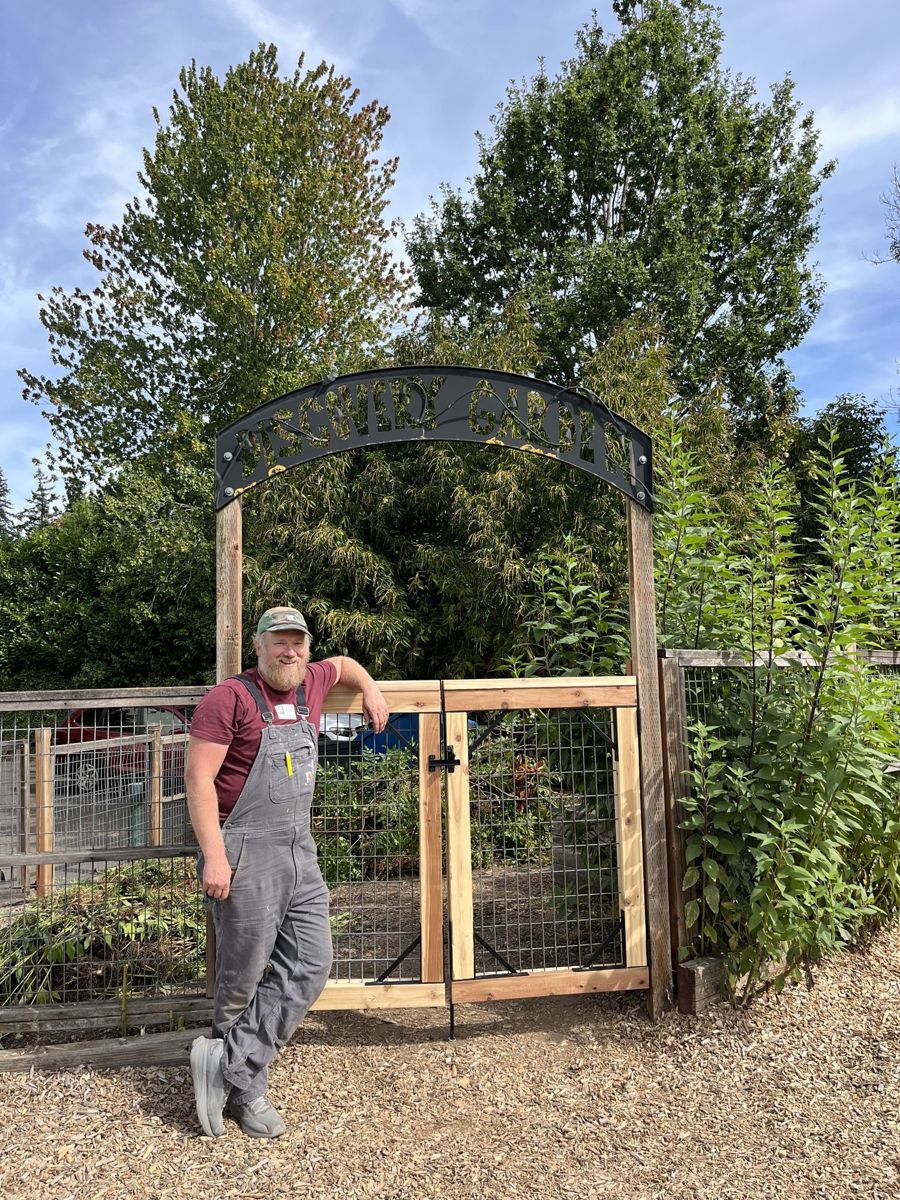
Shout out to Josh (Joaquin's dad!) for the fence extension!
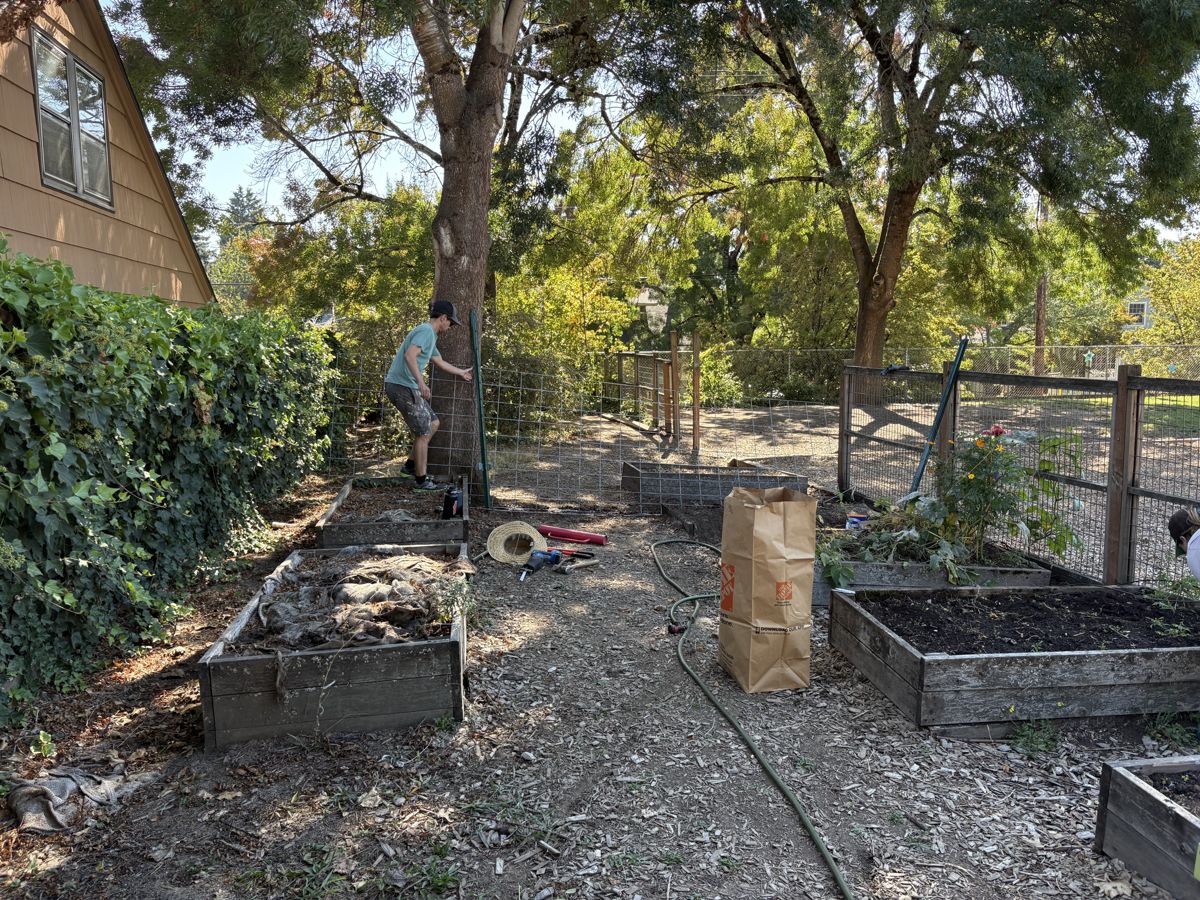
Thanks to Jay (Jack and Lucy's dad!) for securing the shed!
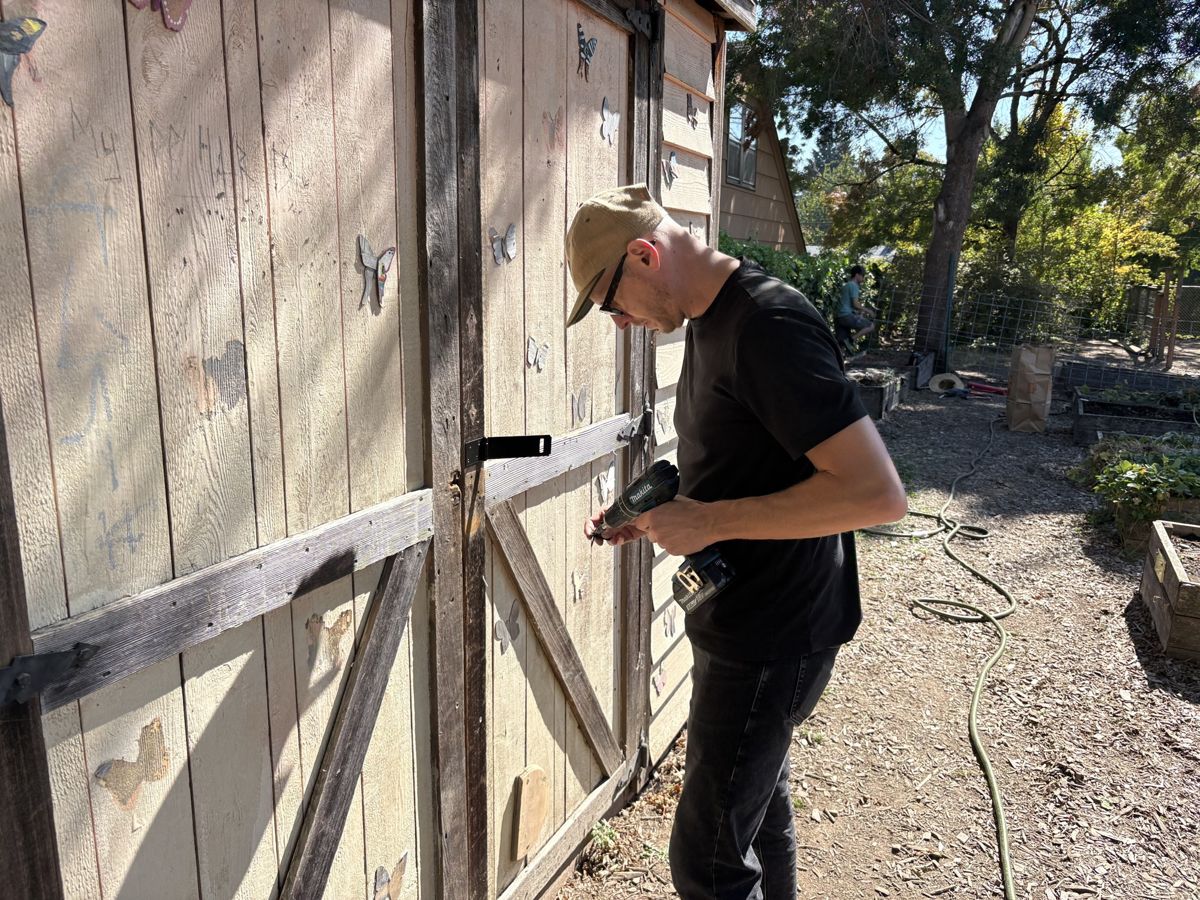
Kids are welcome to watch the progress from outside the garden and bring their questions home. Have questions of your own? Email alamedadiscoverygarden@gmail.com.
Feature: Welcome, Pollinators! Our New Habitat Garden
1-min readThis fall, the Alameda Discovery Garden is growing a new pollinator habitat, and your family can help plant it.
Through the Xerces Society's Oregon Habitat Kit Program, we've received a free kit of native plants chosen because they're especially valuable to monarch butterflies, native bees, and other pollinators.
The plants are grown without harmful pesticides, so they're safe for the insects that visit them. Our part of the deal: planting them and caring for them as they grow.
Why pollinators matter
Bees, butterflies, moths, and other pollinators carry pollen from flower to flower, helping plants make fruit and seeds, including many of the foods we eat.
Many pollinators are losing the places they need to live and feed. Native plants give them both.
Story Time: Why the Garden Goes to Sleep
1-min readLong ago, the ancient Greeks told a story to explain the seasons.
Demeter was the goddess of the harvest. She made the wheat grow tall and the fruit trees heavy. Her daughter, Persephone, loved the sunshine and spent her days among the flowers.
One day, Persephone traveled deep underground to the kingdom of Hades, far from the sun. While she was there, she ate a few seeds from a pomegranate. But there was a rule: anyone who ate food in the underground kingdom could never leave for good. So it was decided: Persephone would spend part of each year underground and the rest of the year above, with her mother.
When Persephone goes underground, Demeter misses her so much that she lets the plants rest. The leaves fall, the days grow short, and the garden sleeps. That is fall and winter. When Persephone comes back, Demeter is so happy that everything blooms again. That is spring!
Print the storyKitchen Corner: Pomegranate Jewels
1-min readIn the story, a few pomegranate seeds kept Persephone underground. Here's a fun way to explore them at home.
How to open a pomegranate (the no-mess way)
- Grown-ups: cut off the crown, then score the skin into quarters.
- Fill a big bowl with water. Break the pomegranate apart underwater.
- Kids: gently push the seeds loose with your thumbs. The seeds sink and the white pith floats!
- Scoop off the pith, drain, and enjoy.
Ways to eat them: sprinkle on yogurt or oatmeal, toss into a salad, or eat them by the spoonful.
Tip: pomegranate juice stains, so wear an old shirt.
Activity Corner: A Wish for Spring
1-min readAsk your child to draw or write what they hope will bloom in the garden come spring. Tuck it away somewhere safe, then pull it out in March and see what came true.
Nature Spotting: The Fall Garden Is Busy!
1-min readEven as the garden gets ready to rest, fall is one of the busiest seasons outside. Things to look for together:
- Leaves changing color and drifting down, which are food for the soil and shelter for insects. That's one reason gardeners "leave the leaves"!
- Seed heads and pods, as plants pack up their seeds for next year
- Spider webs sparkling with morning dew
- Mushrooms popping up after the first rains
- Squirrels busy hiding food for winter
- Bees visiting the last flowers of the season
Try it: Print our Fall "I Spy" Scavenger Hunt and see how many you can find on your way home from school!
Print the scavenger huntComing this winter: the garden isn't really asleep!
Here in the Pacific Northwest, there's plenty to discover all winter long. At the Persephone Prep Party, we'll talk about what to watch for, including:
- Kale and other hardy greens, which taste sweeter after a frost
- Birds like chickadees and juncos, visiting for seeds
- Native bees and other insects spending the winter tucked in leaves and hollow stems
- Worms and other decomposers, busy under the mulch turning it into rich soil
- Moss and lichen, bright green in the rain
Garden Tips
2-min readFall garden tips from our garden committee.
- Fall is a great time to plant trees, shrubs and hardy perennials: the soil is still warm and the autumn rains keep them well watered! Allow at least 6 weeks before our "first frost" (Nov 15) to give roots time to establish, so do it this week!
- If you haven't yet trimmed your lavender, cut it back by one third leaving at least 2" green growth above the woody base. This helps to keep your lavender in a productive, tidy mound and avoid becoming sparse and woody as it ages. Many other perennials and grasses can be left to die back naturally, leaving seeds for birds and overwintering places for beneficial insects.
- If you plan to dig your dahlias before winter, label them now while they are still in bloom!
- Allow zinnia flowers to go to seed and collect the seed to use next summer. Zinnia are one of the easiest and most rewarding cut flowers to grow.
- Buy your spring flowering bulbs to plant in mid October through November. Snowdrops, daffodils and alliums are unpalatable to squirrels and will happily naturalize where they are planted to return each spring. If you are planting crocuses and tulips it is a good idea to bury them with chicken wire cages or your garden will turn into a squirrel buffet! Planting into pots is an immensely rewarding exercise in delayed gratification, and you can tuck violas and pansies into the top layer of the soil to give you winter blooms until the spring bulbs push through.
- Now is the time to buy seed garlic to plant in mid October through November. Source from our local nurseries like Garden Fever to ensure you are growing climate adapted varieties that are disease-free. Push each clove about 2 to 3 inches deep into loose, well-draining soil with the pointy side up and root side down. Space them 6 inches apart in rows. Cover with a mulch of straw. Garlic will be ready to harvest in June.
- Sow winter greens like kale and lettuces now, and root crops like beets and carrots. They will establish before the Persephone Period begins (Nov 5) and daylight drops to less than 10 hours and growth all but stops. If you're able to outcompete the slugs and squirrels and voles, then the garden becomes your winter produce fridge! Radishes planted now will be ready for harvest before winter begins.
Plant of the Month
1-min readRiverbank Lupine (Lupinus rivularis)
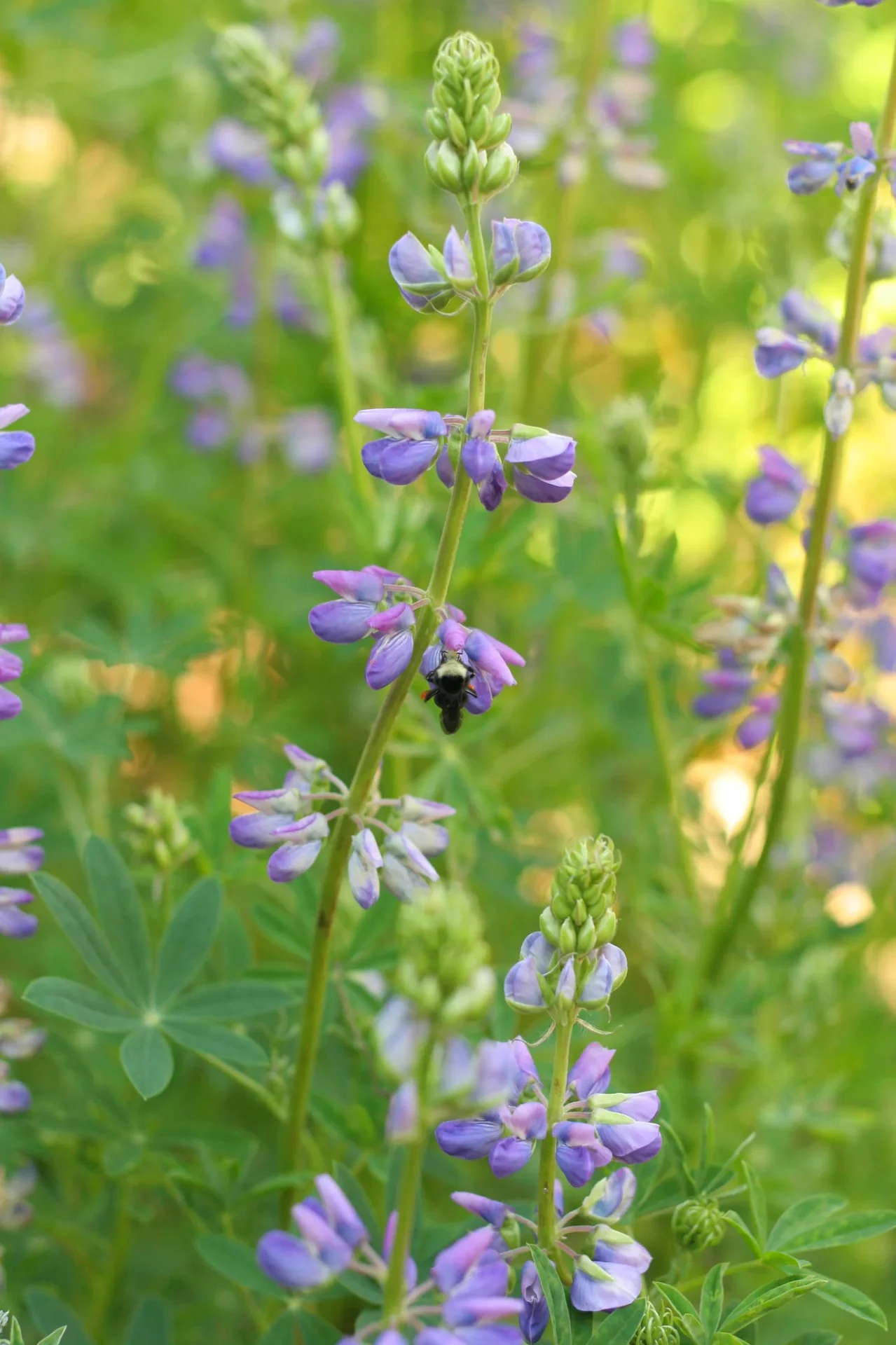
A PNW native perennial wildflower that thrives in well draining, poor soils in full sun (think gravelly river banks, or backyards!). This legume will actually enrich the soil by fixing nitrogen, and will happily reseed year after year. (Note that the seeds are toxic.) Once established it is quite drought tolerant. Direct sow after the first fall rains in a weed-free, sunny patch of ground and be rewarded in the spring with bushy green plants with tall blue-to-violet flower spikes. It is a wonderful nectar source for native bees, bumblebees, butterflies, and hummingbirds. You can also enjoy reading "Miss Rumphius" by Barbara Cooney with your child, and perhaps inspire a few more wildflowers to sprout.
Get Involved: Persephone Prep Party
1-min readTucking the Garden In
At the Persephone Prep Party, we'll help the garden rest: pulling the last weeds and covering the beds with burlap and mulch like a warm blanket.
We'll also plant bulbs! Like Persephone, they'll spend the winter underground and return in spring to bloom. Kids can help tuck them in, then watch for the first green shoots when the weather warms up.
Persephone Prep Party – Sunday, October 18, 9:00 AM to 12:00 PM · Rain or shine!
Donuts and coffee provided! No RSVP needed, just show up! If you can, let us know how many are coming in our WhatsApp group or at alamedadiscoverygarden@gmail.com so we get the donut count right.
Stick around for Pumpkin Painting, hosted by the PTA, from 10:00 to 11:00 AM the same morning.
If you have them, please bring:
- Garden gloves
- Rake, shovel, hoe, or your favorite weeding tools
- Secateurs or pruning shears
Stay Connected
1-min reador email us at alamedadiscoverygarden@gmail.com with questions or to volunteer.
Thank You
1-min readThank you to the Xerces Society and the Multnomah County Master Gardener volunteers for making our pollinator garden possible.